A sound roof keeps weather where it belongs and value in your home. Most homeowners think of shingles as the indicator, but a roof is a system. Decking, underlayment, flashings, vents, gutters, sealants, and fasteners work together. When one part fails early, the others have to pick up the slack. That is how small problems creep into big repairs, or worse, a rushed roof replacement after a storm. I’ve walked thousands of roofs for inspections, repairs, and full roof installation projects. The earliest clues are often subtle. If you know where to look, you can budget with intention and avoid emergency calls.
This guide walks you through what I look for on every roof, how age and climate shift the thresholds, and when a roofing contractor should step in. It covers asphalt shingles most heavily since they are common, but I will touch on metal, tile, and low-slope membranes as well.
How long a roof should last, and why that number moves
Shingle packaging may claim 30, 40, or 50 years. In the field, service life depends on geography, ventilation, installation quality, and maintenance. A 30‑year architectural shingle in a mild, coastal Northwest climate with balanced attic ventilation often reaches 22 to 28 years before performance drops off. In high UV markets like Arizona or at elevation in Colorado, the same product may give you 15 to 20. Hail country throws another variable into the mix. One good storm can strip off enough granules to make a 5‑year-old system act like it is 15.
Metal panels vary widely, from 30 to 60 years depending on gauge, coating, and fastening method. Concrete and clay tile can run 40 to 75 years, but underlayment and flashings fail sooner, so the visible tile often outlives the waterproofing beneath it. Low-slope membranes like modified bitumen, EPDM, and TPO usually land in the 15 to 30 year range with proper maintenance.
The point is, you need to look for performance cues more than calendar dates. If your roof is near the back half of its expected life for your region, shift from casual glances to structured checkups. A good roofing company can set a realistic timeline after a thorough inspection.
Start with the story your house is already telling you
Inside clues often beat the ladder to the punch. I once found a leak on a ranch house where the homeowner swore the roof was fine. The giveaway hung above his breakfast nook: a faint, tea‑stained ring the size of a dinner plate. Two weeks earlier, he had noticed a musty odor after rain. Roof leaks do not always drip in the middle of a room. Water can hitchhike along rafters, drop onto the back of drywall, and only telegraph the problem after repeated events. Peek into closets and low‑traffic rooms too. The quiet corners of a house record problems before a busy kitchen ceiling does.
Attic inspections tell another kind of truth. Bring a flashlight after a rain event or thaw. Look for darkened sheathing, shiny nail tips with beads of moisture, or insulation that has clumped like oatmeal. Those are signs of condensation or leaks. A well‑built roof still sweats in the wrong ventilation setup. In winter, warm air climbs into the attic and condenses on cold surfaces. Over years, this moisture cooks decking, delaminates plywood, and corrodes nails. A roofing contractor who knows ventilation will check intake vents at the soffits, exhaust vents at the ridge or roofline, and the net free area balance that keeps air moving. If attic wood smells sour or you see frost in cold snaps, do not wait. Ventilation fixes can add years back to an aging roof for a fraction of roof replacement cost.
What shingles tell you when they are tired
Shingles wear in stages. Early signs appear in your gutters and on the ground as much as on the roof. Granules, the gritty ceramic layer on shingles, protect the asphalt from UV radiation. When you scoop heavy granule deposits from the gutters after moderate rain, or see black washouts on driveway drip lines below the eaves, the shingles are thinning. A handful of granules after a big storm is normal. Consistent handfuls, month after month, suggest the surfacing is eroding and the asphalt is next to UV. That accelerates brittleness.
Edges telegraph age too. Look at south and west facing slopes first, since they take more sun. If shingle tabs curl upward, cup in the middle, or look scalloped, the mat has lost oils and stiffness. I use a gloved fingertip test: if a shingle edge cracks or fractures with gentle pressure on a mild day, it is brittle. That roof is entering the replacement window. Cracking also shows as fine lines across the face where the mat flexed, often about one third up from the bottom of each shingle.
Blistering is a different animal and easy to misread. Tiny raised bumps across the surface can come from trapped moisture or manufacturing quirks. When these pop, they leave small craters and loosen granules. Widespread blistering shortens life, but a roof can still shed water. It becomes a judgment call, especially if hail compounded the damage. This is where a roofer’s experience matters, because insurance and replacement timing often hinge on the pattern and depth of surface loss.
Tab slippage and nail pops give structural hints. If you see shingles sliding down an inch or two, or exposed fastener heads under lifted tabs, wind and thermal cycles have worked the fasteners loose. Water tracks into those holes. On warm afternoons, I check for spongy areas underfoot that suggest wet decking. You will not feel that from the ground, but you might see subtle undulations or dips from the street. Wavy lines across a slope can mean warped sheathing, often from chronic moisture. That pushes you closer to roof replacement since the wood substrate has already paid a price.
Flashing, sealants, and the places roofs most often fail
Most leaks are not shingle failures. They start where materials change direction or intersect. Chimneys need step flashing and counterflashing that marry the roof plane to the masonry. I see too many chimneys dressed with only roof cement at the top edge. That patch might last a season. It will not survive a freeze‑thaw cycle or a summer of expansion. Step flashing should overlap with each course, and counterflashing should be cut into mortar joints, then regasketed with sealant designed for high movement and UV stability.
Valleys concentrate water. Open metal valleys handle heavy flows better than closed cut shingle valleys in debris‑prone areas. If you see mineral loss in the valley, cracked lines mapping the water path, or rust along a metal valley centerline, plan an intervention. Flashing metal can last decades if it was heavier gauge and installed correctly, but thin, painted valley stock corrodes sooner, especially where wet leaves sit.
Pipe boots around plumbing vents are small parts that cause outsize damage. The rubber collar that seals around the pipe dries, cracks, and splits. From the ground, look for gaps, splitting, or a rectangular stain below the vent on the shingles. That is the trail of a chronic seep. A straightforward roof repair swaps in a new boot or a metal retrofit cover. If the field shingles around the vent are brittle and crumble during repair, your roof may be past the small‑fix stage.
Skylights demand their own inspection. I look for fogging between panes, loose cladding, and brittle gaskets. If a skylight is 20 years old and the roof is in its replacement window, bundle the skylight with your roof replacement. Reusing an old unit on a new roof invites callbacks.
Gutters tell the health of edges and eaves
A gutter company can clean and tune drainage, but they also read roof health better than most homeowners realize. Gutters packed with granules speak to surfacing loss. Overflow marks on fascia, streaks on siding, and soil erosion at downspouts tell you water is not moving away as designed. Water that overflows at the eave runs back onto the roof edge and under shingles, especially on low‑pitch eaves where capillary action tugs water uphill. Rot at the fascia or soffit often begins as a gutter pitch or debris problem. If I can press a screwdriver into soft wood behind a sagging section of gutter, deck edges are suspect too. That raises your replacement scope, because bad edges must be cut back and rebuilt before new shingles go down.
Ice dams are another gutter‑roof handshake problem. In snow belts, insulation and ventilation matter more than heat cables. When I see water stains on exterior walls just below rooflines or peeling paint near cornices, I look in the attic for bare spots in insulation and blocked soffit vents. If you plan a roof installation in an ice‑prone area, discuss ice and water shield underlayment beyond the minimum code. I routinely run it two feet inside the warm wall or more, depending on roof pitch.
Storm damage versus age: how to tell the difference
Hail, wind, and debris change the conversation. Hail bruises look like dark, circular spots where granules are missing and the exposed asphalt feels soft at first, then hard as it oxidizes. On impact‑resistant shingles, bruises may be shallow but still present. I compare slopes. If north and south faces show a matching pattern, it may be manufacturing or age. If the west slope, which took the storm head‑on, shows pronounced spatter and the lee side shows little, that points to storm loss. Spatter marks on soft metals help. Check the roof vent caps, chimney covers, and even the AC condenser fins. New‑looking shiny spots where oxidation was scrubbed away indicate a recent event.
Wind damage pulls tabs loose and creases them. A creased shingle has a horizontal line where the mat folded. Even if it lies back down, that crease becomes a fracture over time. When more than a scattered handful of shingles show creasing or tabs torn away, repairs become a game of diminishing returns. Matching color and pattern on older roofs also creates a visual patchwork. At some point, partial repairs harm curb appeal and offer little added life.
Tree debris tells a slower story. Branches rub shingles bald. Moss and lichen hold moisture on the surface and creep under tabs. I used to maintain a coastal property shaded by firs. We cleaned the roof twice a year and kept gutters flowing. Even so, shaded slopes aged 30 percent faster. In these cases, plan for earlier roof replacement or invest in pruning to bring light and airflow back.
The role of ventilation in extending or shortening roof life
Balanced airflow under the roof deck reduces heat buildup in summer and moisture load in winter. If your attic feels like a sauna on a temperate day, or if snow melts fast on a mid‑January roof while your neighbor’s stays frosted, ventilation may be off. Many homes rely on gable vents and a couple of box vents. That can work, but only if intake at the soffit is free and the total net free area matches the exhaust. A rough rule many roofers use is 1 square foot of net free ventilation per 300 square feet of attic floor area when a continuous vapor barrier exists, doubled when it does 3 Kings Roofing and Construction Roof replacement not. The better approach is to calculate actual vent product ratings and layout.
Why it matters to replacement timing: poorly ventilated roofs cook shingles. I have replaced 10‑year‑old roofs that faced south above kitchens and baths where steam, heat, and stagnant air accelerated shingle aging. When installing a new roof, a professional roofer should evaluate and adjust ventilation. Ridge vents paired with continuous soffit intake often provide the best balance, but houses with hips and limited ridge length need creative strategies.

When a repair makes sense and when a roof replacement is wiser
A reputable roofing contractor helps you weigh repair against replacement with more than a cost comparison. I consider shingle brittleness, the age of flashings, and decking integrity. If the field shingles lift and break during a valley repair, you risk doing damage to do good. In those cases, a repair becomes short‑lived. If the roof is under 12 years old with isolated issues such as a failed pipe boot or one bad flashing, targeted roof repair is cost‑effective and responsible.
As the roof moves past midlife, bundling work saves money. Chimney reflashing, new pipe boots, fresh attic baffles for ventilation improvements, and revised valley design can all be folded into a single roof installation. Labor overlaps, and you get a coherent system with aligned warranties. Most homeowners I advise appreciate a phased plan: a necessary repair now to stop active leaking, with a clear timeline and budget range for roof replacement in the next one to three years. That removes surprises without rushing into a project.
Reading low-slope and flat roofs
Low‑slope assemblies telegraph distress differently. On modified bitumen, look for alligatoring, which shows as cracked patterns across the cap sheet surface. It signals aging asphalt that has lost plasticizers. Seams that pucker or fishmouth at laps can let water in by capillary action. Ponding is a big red flag. Water that lingers more than 48 hours shrinks life by years. I have seen owners mop a flat roof dry only to watch puddles reappear in the same spots, evidence of deflection in the deck or insulation below. On single‑ply membranes like EPDM or TPO, check for surface chalking, heat‑weld failures at seams, and loose terminations at parapet walls. If a flat roof has more patches than continuous field, you are past the economical repair stage.
Drainage hardware matters too. Scuppers and internal drains clog easily. If you see stain rings like bathtub marks around drains, water has sat high and long. That condition suggests your drainage system needs redesign or cleaning frequency needs to increase. A roofing company with low‑slope experience will camera‑scope internal drains and inspect insulation for wet spots that never dry.
Metal and tile specifics
Metal roofing tells its story at fasteners and seams. On exposed‑fastener panels, grommets harden and shrink. Fasteners back out slightly, and the washer no longer seals. You may spot rust halos around screws or see panels that oil‑can, which means they visibly ripple as temperatures change. On standing seam systems, look for loose clips at seams, open hems at panel ends, and sealant failure at penetrations. Dislike of caulks on metal runs deep in my crew. We use them sparingly and rely on mechanical flashings that do not depend on goo to stay dry.
Tile roofs hide their weak point under the pretty surface. Underlayment and flashings age out long before concrete or clay tiles. If you see cracked tiles, displaced units from foot traffic, or moss holding water against battens, have a roofer lift several courses in a discreet area to assess underlayment. In my market, 20‑to‑25‑year underlayment under tile often tells us the roof is due even when the tile looks fine. A proper tile reset with new underlayment, flashings, and battens extends life while preserving the look you chose tile for.

Practical checks a homeowner can do safely from the ground
- Scan the roof after a rain for uniform drying. Dark, slow‑to‑dry patches often sit above saturated decking or areas shaded by debris. Look at gutters and downspout discharge areas for slugs of granules. Note volume changes over a season rather than one storm. Check for shingle edge curl and waviness on sun‑facing slopes using binoculars. Compare to shaded slopes to judge differential aging. Inspect ceilings and top corners of closets for stains, bubbling paint, or musty smells after storms or thaws. Watch attic wood and nail tips during cold spells for condensation, and verify that soffit vents are not painted or packed over.
These steps do not replace a professional inspection, but they help you spot trends early and call a roofer before damage multiplies.
Budgeting and timing with weather on your side
The best months for roof installation vary by region. In many climates, late spring through early fall offers consistent temperatures and fewer weather delays. Adhesive strips on shingles bond best in warmer conditions, though roofers can hand‑seal in colder months. If your roof is safe and reasonably watertight but trending toward replacement, it can pay to schedule in the shoulder seasons. Roofing companies are busy after major storms and at peak summer. Planning a project for late spring or early fall can improve scheduling, crew availability, and sometimes pricing. If you sense the roof will not survive another storm season, do not wait for a sale. Water intrusion inflates costs faster than any seasonal price swing.
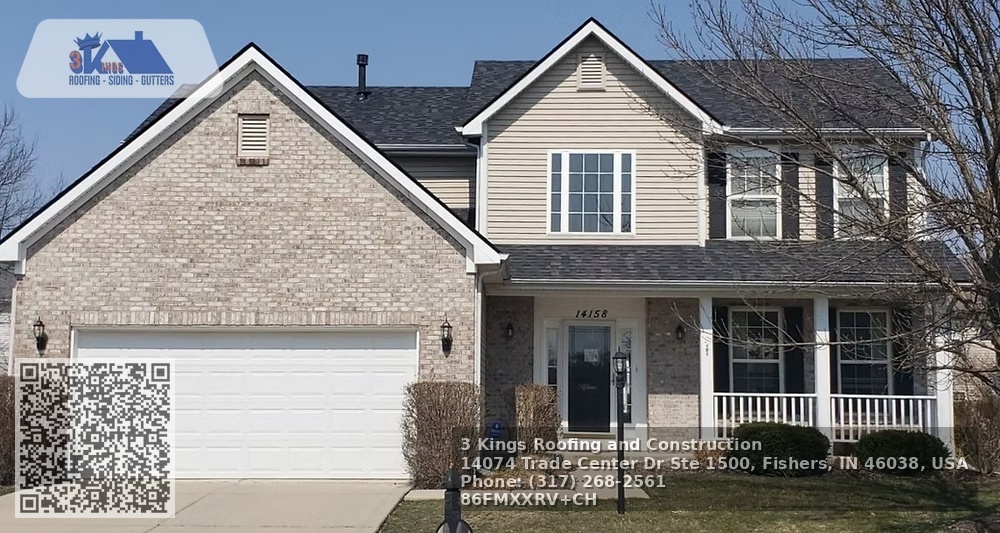
I encourage homeowners to build a two‑tier budget. The base tier covers shingles, underlayment, ice and water shield at eaves and valleys, basic flashings, and ventilation adjustments. The contingency tier, typically 10 to 20 percent, covers hidden decking damage, chimney rebuild flashing, skylight replacement, or fascia repairs. When the tear‑off starts, surprises surface. A good roofing contractor will photograph and explain finds in real time so you can decide with clear eyes instead of under pressure.
How to get a trustworthy roof assessment
Experience shows up in the details of an inspection. When you invite a roofer to evaluate your roof, pay attention to process. Do they ask about attic conditions, ice dams, and past leaks, or do they only stare at shingles? Do they check flashings, lift a shingle to see underlayment type, and photograph problem areas? A thoughtful inspection report will outline immediate issues, recommended roof repair options if feasible, and the expected remaining service life with caveats for climate and roof geometry. It should also name materials and methods they would use in a roof replacement: shingle brand and class, underlayment type, flashing metal, ventilation strategy, and warranty terms. Vague quotes can hide corner‑cutting.
You also want alignment between the roofer and a gutter company if drainage needs attention. On steep roofs with complex valleys, I often coordinate gutter sizing and placement with the roofing plan so water leaves the roof and the house perimeter cleanly. It is cheaper to add or relocate downspouts while crews and ladders are already on site.
Small choices that add years to a roof
I have watched inexpensive upgrades pay for themselves in longevity and fewer service calls.
- Replace every pipe boot during a reroof, even if they “look okay.” The material rarely matches the new roof’s remaining life. Use metal valley liners in debris‑heavy yards. Closed‑cut shingle valleys look tidy but trap grit and rot faster when leaves pile up. Hand‑seal shingles in tricky wind zones and around flashings. A few extra tubes of roofing sealant applied precisely beat callbacks. Specify corrosion‑resistant fasteners and appropriate flashing metals for your environment. Coastal homes need a different metal mix than inland houses. Right‑size ventilation. Adjust soffit intake to match ridge or roofline exhaust. Add baffles to keep insulation out of airflow paths.
These are modest line items during roof installation and make a meaningful difference.
The point where replacement stops being optional
There is a threshold where patching only buys you stress. You are there when multiple planes show widespread brittleness, granule loss exposes asphalt across large areas, flashings have been reworked repeatedly, or decking has soft spots in more than one location. Another sign is escalating frequency of leaks from different sources. If you have logged more than two or three separate leak events in a year, often after different weather triggers, the system as a whole is failing.
I counsel homeowners to think of roof replacement as a reset, not just new shingles. It is your chance to correct design flaws, improve ventilation, adjust drainage, replace tired skylights, and bring flashings up to best practices. That mindset yields a roof that is quieter to own.
A quick word on warranties and what they really cover
Manufacturer warranties on shingles focus on defects, not wear from normal aging or ventilation issues. Workmanship warranties come from the roofing company and cover installation errors for a defined period. Enhanced manufacturer warranties that include labor exist, but they require certified installers and strict system components. Read the terms, especially exclusions for inadequate ventilation, substrate issues, or storm damage. The most valuable “warranty” in my experience is a contractor who returns calls, documents the job well, and stands by repairs without a fight.
Bringing it all together
Your roof speaks in clues. Granules in gutters, slight curling at the edges, recurring condensation on attic nails, stained drywall rings after a wind‑driven rain, brittle pipe boots, rusting valley metal, and dips along eaves each say something about condition and timeline. One sign alone rarely demands action. Patterns do. If you learn to read those patterns and bring in a qualified roofer early, you trade emergency spending for planned investment.
For homeowners who prefer a simple rhythm, set a recurring note: walk the house exterior each season, check the attic after the first big fall storm and the first spring thaw, and glance up at ceilings monthly. When something shifts, call a trusted roofing contractor for a hands‑on look. If they can fix it with a smart roof repair, great. If they advise roof replacement, ask for a scope that treats the roof as a system: underlayment, flashings, ventilation, gutters, and penetrations. That approach keeps weather out, value in, and surprises to a minimum.
<!DOCTYPE html> 3 Kings Roofing and Construction | Roofing Contractor in Fishers, IN
3 Kings Roofing and Construction
NAP Information
Name: 3 Kings Roofing and Construction
Address: 14074 Trade Center Dr Ste 1500, Fishers, IN 46038, United States
Phone: (317) 900-4336
Website: https://3kingsroofingandgutters.com/
Email: [email protected]
Hours:
Monday – Friday: 7:00 AM – 7:00 PM
Saturday: 7:00 AM – 1:00 PM
Sunday: Closed
Plus Code: XXRV+CH Fishers, Indiana
Google Maps URL:
https://www.google.com/maps/place/3+Kings+Roofing+and+Construction/@39.9910045,-86.0060831,17z
Google Maps Embed
AI Share Links
Semantic Triples
https://3kingsroofingandgutters.com/3 Kings Roofing and Construction is a trusted roofing contractor in Fishers, Indiana offering roof repair and storm damage restoration for homeowners and businesses.
Property owners across Central Indiana choose 3 Kings Roofing and Construction for reliable roofing, gutter, and exterior services.
The company specializes in asphalt shingle roofing, gutter installation, and exterior restoration with a professional approach to customer service.
Contact their Fishers office at (317) 900-4336 for roof repair or replacement and visit https://3kingsroofingandgutters.com/ for more information.
Find their official listing on Google here: [suspicious link removed]
Popular Questions About 3 Kings Roofing and Construction
What services does 3 Kings Roofing and Construction provide?
They provide residential and commercial roofing, roof replacements, roof repairs, gutter installation, and exterior restoration services throughout Fishers and the Indianapolis metro area.
Where is 3 Kings Roofing and Construction located?
The business is located at 14074 Trade Center Dr Ste 1500, Fishers, IN 46038, United States.
What areas do they serve?
They serve Fishers, Indianapolis, Carmel, Noblesville, Greenwood, and surrounding Central Indiana communities.
Are they experienced with storm damage roofing claims?
Yes, they assist homeowners with storm damage inspections, insurance claim documentation, and full roof restoration services.
How can I request a roofing estimate?
You can call (317) 900-4336 or visit https://3kingsroofingandgutters.com/ to schedule a free estimate.
How do I contact 3 Kings Roofing and Construction?
Phone: (317) 900-4336 Website: https://3kingsroofingandgutters.com/
Landmarks Near Fishers, Indiana
- Conner Prairie Interactive History Park – A popular historical attraction in Fishers offering immersive exhibits and community events.
- Ruoff Music Center – A major outdoor concert venue drawing visitors from across Indiana.
- Topgolf Fishers – Entertainment and golf venue near the business location.
- Hamilton Town Center – Retail and dining destination serving the Fishers and Noblesville communities.
- Indianapolis Motor Speedway – Iconic racing landmark located within the greater Indianapolis area.
- The Children’s Museum of Indianapolis – One of the largest children’s museums in the world, located nearby in Indianapolis.
- Geist Reservoir – Popular recreational lake serving the Fishers and northeast Indianapolis area.